Mango Wood Furniture
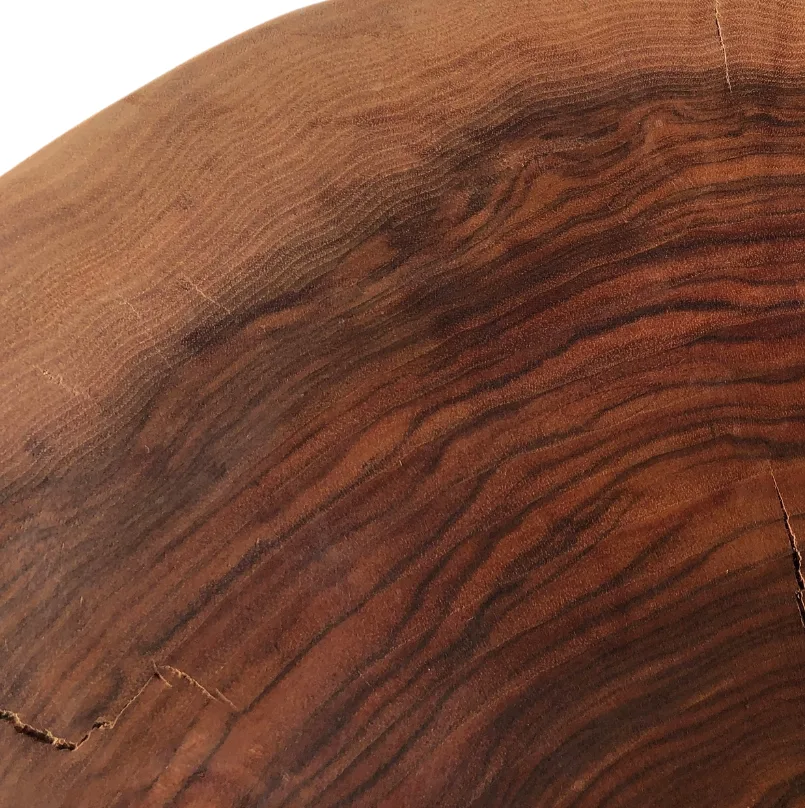
Mango Wood
End-of-life timber repurposed by skilled woodworkers in India
Mango wood is a solid hardwood from the mango tree (Mangifera indica). Ours comes from trees in India that are cut once their fruit-bearing years end, usually at 15 to 20 years. It rates 1,070 lbf on the Janka hardness scale, close to teak at 1,155 lbf, and suits indoor furniture with simple care.
Where It Comes From
All CAIRUI mango wood furniture is sourced and handcrafted in India, where mango cultivation is a major agricultural industry. Our Indian workshop partners have long-established expertise in solid wood joinery, hand-carving, and traditional finishing techniques.
Sourcing CountryIndia. Mango trees are a food crop. When a tree reaches the end of its productive fruit-bearing life, it is repurposed into furniture rather than burned or discarded, giving the timber a genuine second life.
Mango trees grow in orchards for their fruit. When a tree's yield drops, usually after 15 to 20 years, growers replace it, and we use that timber rather than letting it go to waste. That makes mango wood a byproduct of mango agriculture. Mango is widely cultivated and is not listed under CITES.
Food Byproduct
Timber only from end-of-life mango trees, a food crop not a timber plantation
Orchard-Grown
From fruit orchards, not timber plantations
Hardwood
Rated 1,070 lbf on the Janka scale, firm enough for everyday tables and storage
One-of-a-Kind
Every grain pattern is unique, shaped by years of growth and climate
The Grain Story
No two pieces of mango wood are alike. The grain ranges from straight and tight to wild and swirling, with natural color variations from golden honey to warm chocolate brown. Some pieces show mineral streaks, subtle figure patterns, or natural character marks.
This variation is not a flaw. It is the material telling its story. When you own a mango wood piece, you own something no factory could replicate: a surface shaped by years of growth, climate, and the hands of the artisans in India who crafted it.
How Hard Is Mango Wood Compared With Other Woods?
The Janka test measures how hard a wood is to dent. Higher means harder.
| Black walnut | 1,010 lbf |
| Mango | 1,070 lbf |
| Teak | 1,155 lbf |
| Red oak | 1,290 lbf |
| White oak | 1,360 lbf |
So mango sits in the middle. It is a little harder than walnut and close to teak, and softer than oak. That is firm enough for coffee tables, nightstands and storage. Use coasters and avoid dragging heavy items across the top.
Source: The Wood Database.
Where Mango Wood Falls Short
No material is right for every home, so here is the honest list.
- It is an indoor wood. Mango is only moderately resistant to rot and insects, so keep it inside and away from standing water.
- It is softer than oak. A hard knock can leave a small dent.
- Strong sun can fade or shift the color over time.
- No two pieces match. Grain and color will differ from the photo, which many people love, but it is worth knowing before you buy.
Care and Maintenance
Dust regularly with a soft, dry cloth. For spills, blot immediately and do not let liquids sit on the surface.
Use coasters and trivets to protect from heat and moisture rings.
Treat annually with a wood conditioner or food-safe mineral oil to maintain luster and prevent drying.
Avoid placing in direct sunlight for extended periods, which can fade the natural wood tones.
Keep it away from heaters and air vents. Very dry air can open small cracks in solid wood.
Frequently Asked Questions
Solid wood with a story you can check.
Handcrafted in India from mango trees past their fruit-bearing years.
Shop Mango Wood