Capiz Shell Furniture
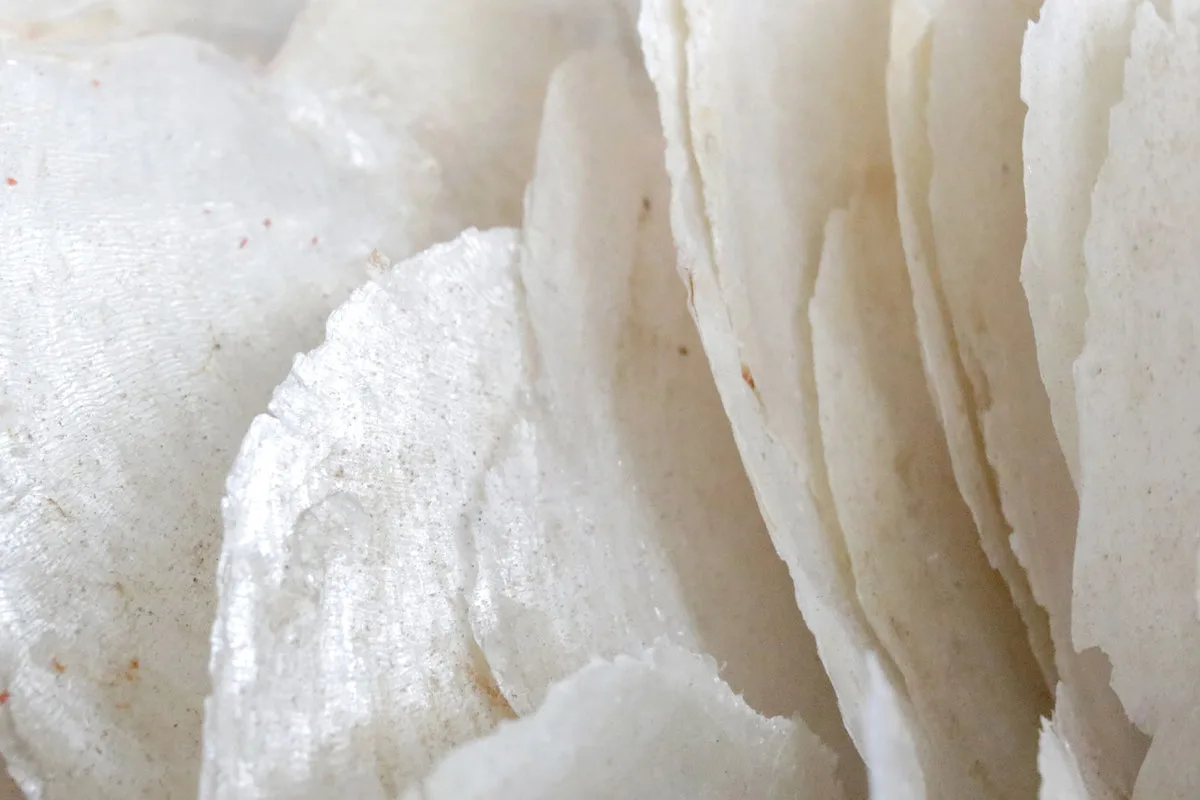
Capiz Shell
Farmed shell hand-assembled by artisans in Indonesia
Capiz shell is farmed in managed coastal environments and hand-assembled tile by tile by artisans in Indonesia. Its ability to scatter and filter light is something no synthetic material can replicate.
Where It Comes From
CAIRUI capiz shell pieces are sourced and handcrafted in Indonesia, where coastal artisan communities have worked with shell materials for generations. Windowpane oysters (Placuna placenta) are farmed in managed coastal environments, making capiz a renewable, low-impact material.
Sourcing CountryIndonesia. Capiz is farmed, not wild-caught, in managed coastal environments. The harvesting process supports Indonesian coastal artisan communities and has a minimal environmental footprint.
Each shell is harvested by hand, cleaned, and cut into uniform tiles. Every piece in our collection is assembled entirely by hand, tile by tile, a process that requires skill and patience that can only be learned over years of practice.
Farmed
Grown in managed coastal environments in Indonesia, not wild-harvested
Handmade
Each tile cut and assembled by Indonesian artisans, entirely by hand
Luminous
Scatters and filters light in ways no synthetic material can match
Natural
100% shell with no synthetic coatings or composite materials
The Light Effect
What makes capiz truly special is what it does with light. In pendant fixtures, natural daylight passes through the tiles and scatters softly into the room, creating a warm, diffused glow. In mirrors and wall decor, the shells catch and reflect light from different angles throughout the day.
This living quality, the way a capiz piece changes as the light changes, is why it has been used in coastal and tropical architecture for centuries.
Capiz Shell vs Mother of Pearl vs Glass
| Capiz shell | The whole thin shell of the windowpane oyster. Translucent, so light passes through. Soft white glow. |
| Mother of pearl | The shiny inner layer (nacre) of pearl oysters, mussels and abalone. Opaque, with a rainbow shimmer. |
| Glass | Made, not grown. Clear and even. Capiz was used in its place in old Philippine windows because it softens the light and does not shatter like glass. |
Care and Maintenance
Dust with a soft, dry cloth. Avoid feather dusters that can catch on shell edges.
Keep away from high-humidity environments such as bathrooms or uncovered outdoor areas.
Handle gently. Capiz is durable in normal use but can chip if struck sharply.
Avoid harsh chemical cleaners, which can dull the natural shell surface.